
HOME
The Fascinating World of Monet Paintings


Can you imagine a world of shimmering landscapes, vibrant gardens, and radiant impressions of light and color? That’s the world Claude Monet Paintings, and his masterpieces continue to captivate art lovers around the globe. If you’ve ever stood in front of a Monet painting or admired one in a book, you know just how mesmerizing his work can be. This blog dives into the life, legacy, and significance of Monet’s paintings, exploring their history, techniques, and impact on art.
What makes Monet Paintings work so enduring? Join us on this artistic exploration to understand the genius behind some of the most famous impressionist paintings in history.
Who Was Claude Monet Paintings?
Before we explore Monet’s paintings fully, it’s essential to know the artist behind the works.
A Brief Biography
Claude Monet (1840–1926) was a French painter and leading figure in the Impressionist movement. Born in Paris and raised in Le Havre, Monet rejected traditional painting rules early in life, choosing instead to capture fleeting moments of light and color. He sought to portray not just how a scene looked, but how it felt.
While his career saw struggles in his early years—including financial difficulties and criticism—Monet eventually gained recognition as one of the greatest artists of his era. Today, more than 100 years later, his work remains celebrated worldwide.
Father of Impressionism
Monet unknowingly lent the Impressionist movement its name when one of his paintings, Impression, Sunrise (1872), was mocked for being too unfinished and abstract. A critic sarcastically called it “Impressionistic,” and the term stuck. Monet’s courage to deviate from traditional academic standards inspired an entire generation of artists.
The Themes That Defined His Work
Monet painted a wide array of subjects. However, a few recurring themes dominate his work:
- Landscapes: From the French countryside to the bustling streets of Paris, landscapes dominated much of Monet’s oeuvre.
- Water and Reflections: Monet’s obsession with the way water reflected light played a central role in his paintings, especially later in his career.
- Nature and Gardens: From his famous lilies to Japanese bridges, Monet celebrated natural beauty in every form.
Iconic Monet Paintings You Need to Know
1. Impression, Sunrise
- Year: 1872
- Where to See It: Musée Marmottan Monet, Paris
Perhaps Monet’s most famous painting, Impression, Sunrise depicted the port of Le Havre at dawn. The hazy blend of soft blue, orange, and gray tones captures the fleeting and tranquil beauty of a sunrise. More than just a beautiful image, this painting sparked an art revolution, giving rise to the Impressionist movement.
2. Water Lilies Series
- Year: 1899-1926
- Where to See It: Various museums worldwide, including Musée de l’Orangerie, Paris
Monet’s fascination with his garden at Giverny inspired over 250 paintings of water lilies. These canvases capture the interplay of light, reflections, and delicate aquatic flowers, creating a dreamlike experience. They’re more than paintings—they’re meditative masterpieces.
3. Woman with a Parasol
- Year: 1875
- Where to See It: National Gallery of Art, Washington D.C.
This painting depicts Camille—Monet’s wife—and their son in a breezy, sunlit meadow. Floating fabrics and playful contrasts make it one of the most joyful depictions of family life in art history.
4. Haystacks Series
- Year: 1890-1891
- Where to See It: Art Institute of Chicago, Musée d’Orsay, and others
The Haystacks series captures humble haystacks in different lighting and at various times of the day. It’s a masterpiece in showcasing how the same scene can transform depending on light and season—a nod to Monet’s incredible ability to study light in depth.
5. The Japanese Bridge
- Year: 1899
- Where to See It: National Gallery of Art, Washington D.C.
Monet created several paintings of the Japanese bridge in his garden, often surrounded by water lilies and wild vegetation. These works radiate calmness and showcase Monet’s masterful use of color.
What Made Monet’s Technique Unique?
To understand Monet’s genius, you need to look deeper into his methods.
1. Breaking Free from Tradition
Unlike classical painters, Monet worked en plein air (in the open air) to capture natural light and atmosphere. Instead of precise lines and fine details, he embraced loose brushstrokes and softer forms that blended into each other.
2. Study of Light
Monet didn’t simply paint objects. He painted light. For instance, rather than depicting a snowy landscape as “white,” Monet used countless shades of blue, pink, and yellow to illustrate how snow looked under varying light conditions.
3. Layering Colors
Monet applied layers of paint to achieve a sense of depth and richness. This layering technique allowed viewers to feel the texture and luminosity of the scenes he painted.
4. Consistent Themes with Infinite Variety
By focusing repeatedly on similar subjects (e.g., haystacks, water lilies), Monet proved that profound beauty could be found in everyday life. Each variation offered something new—a different light, mood, or perspective.
Why Monet Paintings Are Still Relevant
What makes Monet’s paintings as impactful now as they were over a century ago? Here’s why audiences continue to admire his masterpieces:
- Universal Appeal: Monet’s works speak to everyone, regardless of art expertise. His focus on nature resonates deeply with our inherent love of beauty and peace.
- Artistic Innovation: Monet challenged and broke the boundaries of his time, influencing generations of artists, including modern-day abstract painters.
- Meditative Quality: Gaze at a Monet painting, and you’ll likely feel a sense of calm and wonder—a much-needed escape from our busy modern lives.
Tips for Viewing Monet’s Masterpieces
To truly appreciate the brilliance of Monet, here’s how you can experience his paintings:
- Visit Galleries and Museums: Some must-visit collections include Musée Marmottan Monet, Musée de l’Orangerie, and the Art Institute of Chicago.
- Dive Into His Biographies: Reading about Monet’s life offers a deeper appreciation of his struggles and triumphs as an artist.
- Explore His Garden in Giverny: It’s a magical experience to walk through the place that inspired so many of his works.
Beyond the Brushstrokes
Monet’s works do more than hang beautifully in museums—they inspire us to see the world differently. His paintings remind us of the fleeting beauty of light, the depth of everyday moments, and the infinite richness of our natural surroundings. They are a testament to the enduring power of art to move, calm, and connect.
Whether you’re an experienced art enthusiast or someone just beginning their artistic exploration, Monet’s work serves as a timeless reminder to find beauty in the world around us.
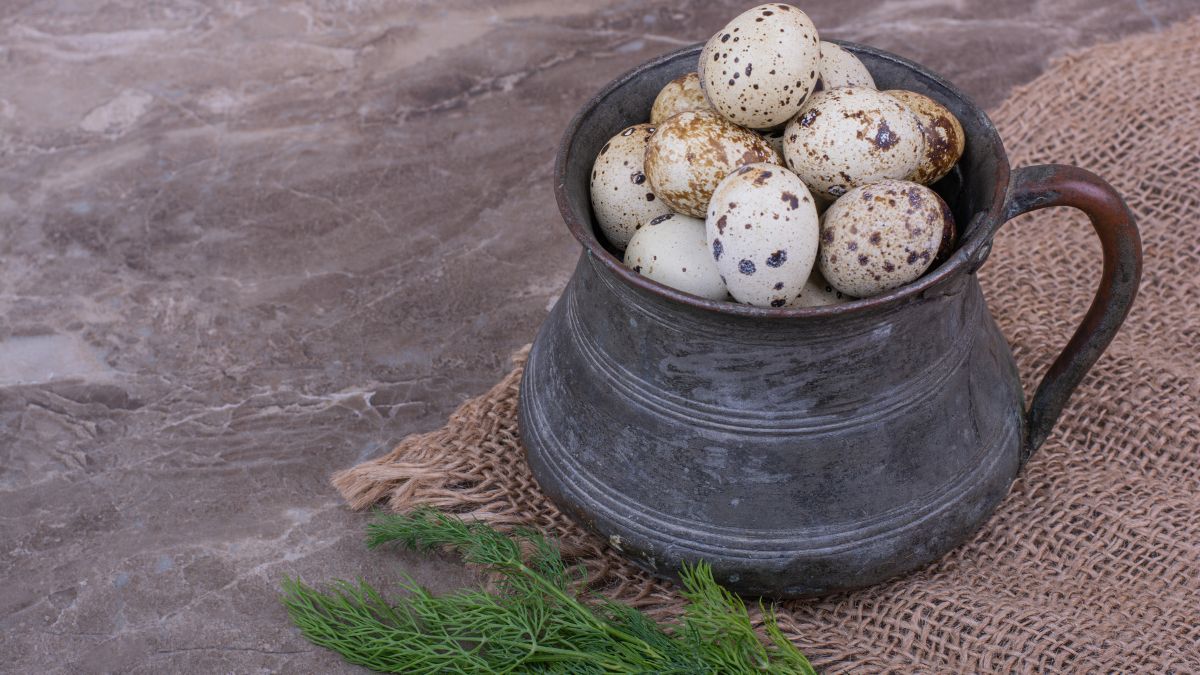
Have you ever stumbled upon a piece of art that instantly captures your imagination? Enter the fascinating world of Pappedeckel. This unique craft, with its colorful patterns and delightful textures, offers something truly special for both artists and enthusiasts alike. Whether you’re an avid collector or just curious about this captivating medium, there’s so much to explore.
Pappedeckel isn’t merely an artistic expression; it embodies culture, history, and creativity. From its intriguing origins to the myriad ways it can be utilized in everyday life, this guide will take you on a journey through everything you need to know about Pappedeckel. Get ready to uncover tips for creating your own masterpieces and discover where to find stunning pieces that speak to your soul!
What is Pappedeckel?
Pappedeckel is a term that encapsulates an art form rooted in creativity and craftsmanship. At its core, it refers to decorative paper covers often used for notebooks, journals, or books. These vibrant designs elevate everyday items into unique treasures.
Crafted using various techniques, Pappedeckel combines traditional artistry with modern flair. Artists may employ hand-drawing, painting, or digital printing methods to create stunning visuals.
The patterns can be whimsical or intricate—each piece telling its own story through color and texture. This versatility makes Pappedeckel appealing not only as functional items but also as collectibles.
Beyond aesthetics, Pappedeckel embodies a spirit of sustainability by promoting the use of recycled materials. It invites everyone to explore their artistic side while celebrating eco-friendly practices in the process.
Origins and History of Pappedeckel
Pappedeckel has roots that trace back to Germany, where it was originally created as a playful and practical solution for covering jars and containers. The name itself is quite whimsical, combining “Papier” (paper) with “Deckel” (lid), reflecting the material’s simplicity.
Historically, these paper lids were crafted by hand from recycled materials. They served not only functional purposes but also displayed artistic flair. As time passed, various designs emerged across different regions.
By the 20th century, Pappedeckel gained popularity beyond its humble beginnings. Artists began experimenting with colors and patterns, transforming simple covers into decorative pieces. This evolution showcased the versatility of paper as both an art form and a means of preserving food.
Today’s Pappedeckel pays homage to this rich heritage while continuing to inspire creativity in everyday life.
The Different Types of Pappedeckel
Pappedeckel comes in various forms, each with its own charm. The most common type is the traditional one, often made from durable cardboard or thick paper. These are typically used for packaging and decorative purposes.
Another popular variation is the artistic Pappedeckel. Artists take this canvas and transform it into stunning illustrations. You may find vibrant colors and intricate designs that capture attention instantly.
Then there’s the functional Pappedeckel. This version serves practical needs, such as serving trays or coasters at events. They blend utility with style effortlessly.
Eco-friendly options have emerged in recent years. Made from recycled materials, these sustainable alternatives appeal to environmentally conscious consumers looking to reduce waste while enjoying beautiful art pieces. Each type of Pappedeckel reflects a unique aspect of creativity and purpose within our daily lives.
How to Make Your Own Pappedeckel
Creating your own Pappedeckel can be a delightful and straightforward process. Start by gathering materials like cardboard, decorative papers, scissors, glue, and a ruler.
Begin with cutting the cardboard into desired shapes or sizes. Think about what you want to achieve—coasters, wall art, or even bookmarks. Let your creativity flow!
Next, layer decorative papers on top of the cardboard base. Use different patterns and colors for added flair. Glue them down securely.
Once everything is dry, consider adding embellishments like stickers or drawings for extra personality. For practical use items like coasters, seal them with a clear varnish to ensure durability.
Let your imagination guide you in this fun crafting adventure! Each piece will reflect your unique style while embracing the charm of Pappedeckel artistry.
Creative Uses for Pappedeckel
Pappedeckel offers endless possibilities for creativity. These versatile pieces can transform mundane items into unique treasures.
Consider using Pappedeckel to craft personalized coasters. Simply cut them into circles or squares, then decorate with your favorite colors and designs. They’ll not only protect surfaces but also become a conversation starter.
For those who love gardening, Pappedeckel can serve as delightful plant markers. Write the name of each plant on a decorated piece, adding charm to your garden while keeping everything organized.
If you’re looking for fun party decor, try turning Pappedeckel into festive garlands. String together various shapes and sizes to create an eye-catching display that adds flair to any celebration.
Consider incorporating Pappedeckel in scrapbooking or journaling projects. Their lightweight nature makes them perfect embellishments that add texture and personality without bulk.
Where to Find Pappedeckel Art and Products
Finding Pappedeckel art and products can be an exciting adventure. Local artisan markets often showcase unique pieces that reflect the creativity of various artists. Keep an eye out for these events in your community.
Online platforms also offer a treasure trove of options. Websites like Etsy feature numerous creators specializing in Pappedeckel designs, ranging from decorative items to functional art.
Social media is another great resource. Instagram and Pinterest are filled with inspiration where you can discover talented makers who share their creations, often linking to shops where you can purchase directly.
Don’t overlook local galleries or craft fairs either. Many emerging artists present their work at these venues, providing an opportunity to buy one-of-a-kind pieces while supporting local talent. Exploring different spaces will lead you to remarkable finds that celebrate the charm of Pappedeckel art.
Conclusion: Embracing the Beauty and Versatility of Pappedeckel in Everyday Life
Pappedeckel represents a unique blend of tradition and creativity. This versatile art form allows for endless possibilities in design and function. Whether you’re drawn to its rich history or simply enjoy its aesthetic appeal, there’s something captivating about these paper creations.
Incorporating Pappedeckel into your life can enhance not only your space but also your activities. From crafting personalized gifts to decorating your home, the potential is vast. By making your own Pappedeckel or exploring existing works, you engage with an art form that celebrates both craftsmanship and imagination.
As you explore the world of Pappedeckel, consider how it can enrich everyday experiences. Embrace this beautiful medium and let it inspire creativity in all areas of life.

Creativity is the spark that ignites innovation and fuels our imagination. It’s the driving force behind art, technology, problem-solving, and even everyday tasks. Yet, many of us find ourselves grappling with moments when inspiration feels elusive. We wonder how to tap into that hidden well of ideas or break free from routine thinking.
Everyday life can stifle creativity. Busy schedules, self-doubt, and fear of failure often create invisible barriers that keep us from expressing our true potential. What if there was a way to unlock those creative juices?
Enter the Slylar Box—a revolutionary tool designed to help you transform your ideas into tangible realities. This innovative concept promises to break down those barriers and guide you on a journey toward unleashing your full creative capability. With its unique approach, the Slylar Box could be just what you need to reignite your passion for creation and bring your visions to life in ways you’ve never imagined before.
The importance of creativity in our daily lives
Creativity is the lifeblood of our daily existence. It shapes how we think, problem-solve, and interact with the world around us. Each day presents a canvas for innovation, whether in our personal lives or professional ventures.
Engaging creatively allows us to express ourselves authentically. This self-expression fosters connection and understanding among individuals.
Moreover, creativity plays a crucial role in overcoming obstacles. When faced with challenges, a creative mindset opens up fresh perspectives and novel solutions.
Incorporating creativity into routine tasks can transform mundane experiences into opportunities for exploration. Whether cooking dinner or planning an event, adding your unique twist can make ordinary moments memorable.
Embracing creativity isn’t just about artistic endeavors; it’s essential for growth and adaptability in life’s ever-changing landscape. It nurtures resilience and fuels curiosity—a vital combination for navigating today’s complexities.
Common barriers to creativity
Creativity often encounters various barriers that can stifle innovation. One of the most prevalent obstacles is fear—fear of failure, rejection, or even judgment from others. This anxiety can prevent individuals from expressing their ideas freely.
Another significant barrier is a lack of time. In our fast-paced world, dedicating moments to think creatively often takes a backseat to more pressing responsibilities.
Additionally, rigid routines can trap us in predictable patterns. When we follow the same daily schedule without variation, it becomes challenging to see things from different perspectives.
Self-doubt plays a crucial role in hindering creativity. The inner critic may convince you that your ideas aren’t good enough or worth pursuing. These factors combine to create an environment where creativity struggles to flourish and evolve.
Introducing the Sklyar Box and its purpose
The Slylar Box is a revolutionary tool designed to unleash your creative potential. It serves as a physical and mental space where ideas can flourish without judgment or constraint.
At its core, the Slylar Box encourages exploration. Whether you’re an artist, writer, entrepreneur, or simply someone looking for inspiration, this box provides the framework to nurture your thoughts.
Its unique design incorporates prompts and exercises that guide users through various stages of the creative process. You’ll find sections dedicated to brainstorming, refining concepts, and even visualizing outcomes.
What sets the Slylar Box apart is its emphasis on playfulness in creativity. By making idea generation fun and engaging, it reduces anxiety often associated with starting new projects.
This tool transforms abstract thoughts into tangible actions. With each use, you pave a clearer path from imagination to realization.
How the Slylar Box works and its benefits
The Slylar Box operates on the principle of structured creativity. It combines various techniques to harness your thoughts and ideas effectively.
Users begin by placing their raw concepts inside the box, which acts as a metaphorical incubator. This process allows you to step back and gain perspective on your initial thoughts.
Next, it encourages brainstorming through prompts and guided questions tailored to ignite inspiration. The unique design helps in organizing scattered ideas into coherent themes.
Benefits abound with this method. You’ll find enhanced focus as distractions fade away during creative sessions. Clarity emerges, making way for innovative solutions that seemed elusive before.
Moreover, collaboration becomes seamless when shared among teams or friends. The Slylar Box transforms solitary thinking into collective ingenuity, tapping into diverse viewpoints that enrich the creative process further.
Real-life examples of successful creative ideas using the Slylar Box method
One remarkable success story comes from a small start-up that used the Slylar Box to revolutionize packaging design. By brainstorming ideas within the box’s structured framework, they created eco-friendly materials that quickly gained market traction.
Another inspiring example is an artist who faced creative burnout. Utilizing the Slylar Box allowed her to break down her artistic blocks and explore new mediums. The result? A stunning exhibition showcasing vibrant pieces that resonated with audiences.
A tech entrepreneur transformed a simple app idea into a full-fledged platform using the method as well. Collaborating in groups within the Slylar Box led to innovative features, boosting user engagement dramatically.
A community organization leveraged this tool for event planning. They gathered diverse perspectives and executed an unforgettable festival, enhancing community spirit and participation through creativity sparked by their sessions in the Slylar Box.
Tips on incorporating the Slylar Box into your daily routine
Start small. Dedicate just a few minutes each day to interact with the Slylar Box. This can be as simple as jotting down an idea or drawing a quick sketch.
Set specific times for creativity sessions. Choose moments when you feel most inspired, whether it’s morning coffee or evening wind-down time. Consistency helps build the habit.
Use prompts from the Slylar Box to spark your imagination. Challenge yourself by using unexpected combinations of ideas that emerge from within.
Incorporate movement into your routine. Sometimes a walk or stretch can help clear your mind and allow fresh thoughts to flow freely.
Connect with others who use the Slylar Box too. Sharing experiences and insights can open up new pathways for creativity and inspire further exploration of your own ideas.
Conclusion: Embracing your creative potential with the help of the Slylar Box
Embracing your creative potential is a journey filled with exploration and self-discovery. The Slylar Box stands as a powerful ally in this endeavor, offering tools designed to unlock and enhance your creativity. By understanding how to integrate the Slylar Box into your daily routine, you can break down barriers that might have held you back.
Creativity is not just reserved for artists or innovators; it’s an essential part of problem-solving and adapting to life’s challenges. With the right techniques and resources at your disposal, such as those provided by the Slylar Box, anyone can tap into their unique creative flow.
As you engage with this innovative tool, remember that creativity thrives on experimentation and playfulness. Allow yourself to explore new ideas without judgment. Your most brilliant concepts may arise from unexpected places when you least expect them.
So take a leap of faith—embrace the possibilities that lie ahead with the Slylar Box guiding your way towards realizing those dreams you’ve always had in mind. The world needs more of what only you can create!


The quest to understand our genetic makeup has been simplified with the advent of home DNA testing kits. MyHeritage DNA, one of the leading companies in this field, offers a simple and accessible way to delve into one’s ancestry and uncover hidden facets of their heritage. Discovering the geographic and ethnic threads that weave through our DNA can be a profoundly enriching experience. The insights gained can provide a clearer picture of who we are and where we come from. Keep reading to find out how the MyHeritage DNA test opens new doors to personal discovery.
Tracing Your Ancestry With MyHeritage DNA: A Journey Into Your Past

Embarking on a journey with MyHeritage DNA can provide illuminating insights into one’s ancestral origins. By tracing lineage through maternal and paternal lines, users can identify specific ethnic groups and sometimes even link to historical figures. MyHeritage DNA gives a window into one’s ancient roots, shedding light on the past migrations and settlements that shaped who we are today.
Tracing ancestry with MyHeritage DNA is not just about percentages and regions; it’s about personal narratives. The service brings life to long-forgotten stories and may explain familial traits that have passed down through generations. It can be a profoundly emotional experience, connecting the dots of one’s identity back through centuries.
The DNA test results can also reveal the diversity within regions, showing the melting pot of cultures and genetics that contribute to one’s makeup. These detailed reports add layers of understanding to one’s cultural heritage and often prompt deeper exploration into family history.
Unveiling the Relationship Between Genetics and Personal Traits
The MyHeritage DNA test goes beyond the scope of ethnicity and relative matching. It digs into how particular genetic markers may be linked to personal physical traits and predispositions. The analysis can pinpoint genes that influence attributes such as eye color, taste preferences, and even sleep patterns. These findings can be fascinating, revealing how deeply our genetics play a role in our everyday lives.
Further, MyHeritage DNA tests can give insights into traits that have health-related implications. While MyHeritage does not provide a comprehensive health screening, certain genetic markers linked to wellness can prompt individuals to pursue more detailed examinations or lifestyle changes.
However, it is crucial to approach these insights as informational rather than diagnostic. Genetic markers can suggest potential traits, but environmental factors and individual lifestyles also play significant roles in our personal development. MyHeritage encourages users to understand that these reports do not replace personalized medical advice.
Using MyHeritage DNA Results to Connect With Biological Relatives

One of the most profound features of MyHeritage DNA is the ability to identify and connect with biological relatives. For many, this possibility is the main motivation behind taking the test. Discovering siblings, cousins, or extended family members you never knew existed can be life-changing. It opens doors to new relationships and enriches family narratives with previously untold stories.
The DNA-matching feature enables users to reach out to their matches securely through the MyHeritage platform. Communication tools within the service allow for privacy-respecting interactions, fostering connections at one’s own pace. This function is particularly valuable for individuals adopted or those who have lost touch with family members.
MyHeritage invests in preserving user confidentiality and allows you to control the extent of your genetic sharing. Users can opt-in or out of DNA matching and can manage their contact preferences to ensure they feel secure in their connections. This flexibility empowers individuals to navigate their own experiences with newfound relatives comfortably.
Privacy and Ethics in Genetic Testing: What You Need to Know About MyHeritage DNA
Privacy concerns and ethical considerations are at the heart of genetic testing discussions. MyHeritage DNA emphasizes the importance of privacy, employing robust encryption and secure databases to protect individual data. The company commits to never sharing personal genetic information without explicit consent.
MyHeritage also adheres to GDPR, one of the strictest privacy and security laws in the world. Customers have the right to access their data, obtain copies of their genetic information, and request deletion of their records. These stringent measures help build trust within the user community.
Altogether, the MyHeritage DNA test offers a comprehensive look into one’s ancestry, unraveling intricate details about genetic traits and forming potential connections with biological relatives. It thrives on a platform constructed with user privacy and ethical principles in mind, ensuring a secure and informative experience that adds meaningful chapters to the story of self-discovery.
-

 BLOG2 years ago
IZoneMedia360 .Com: Exploring the Features and Benefits
-

 BLOG2 years ago
About Blog TurboGeekOrg: A Go-To Hub for Tech Enthusiasts and Latest Innovations
-

 BLOG2 years ago
Discovering the ATM 3 Way with GIA and SERA ᶰ
-

 BLOG2 years ago
What is a Golden Transit in Magi Astrology?
-

 NEWS1 year ago
Chloe Berger News: Insights on Employee Rights and Talent Retention
-

 ENTERTAINMENT2 years ago
Tyquaez Pickett: A Rising Star in the Entertainment World
-

 BLOG2 years ago
A Complete Guide to ProcurementNation.com Shipping
-

 NEWS2 years ago
The Vision and Innovation of News Theamericansecretscom